Mobility Considerations to Discuss when Traveling with Friends and Family
13 Topics to Discuss with your Travel Partner(s) BEFORE you Take a Trip Together
When traveling with friends and family, especially for the first time, there are many important items to discuss that can improve the quality of your trip. When there are mobility considerations, most all items to discuss will relate to those considerations. While some topics may be uncomfortable, discussing them during the planning process is far better than finding them out on the trip. Trust me! I would much rather like to end a trip thinking “Wow, I am looking forward to traveling with them again!” and not “I would have had more fun staying at home.” Also, if they are your friends and family, it would be nice to not dread seeing them after the trip! That is why we are covering 13 trip planning topics to discuss about mobility considerations!
After discussing the topics below, you may even decide that traveling together may not lead to a successful trip. Here are some points to consider and discuss with those in your travel group. For the purpose of this discussion, we will assume your travel group includes you and one friend. The same considerations apply for multiple people, generations of family traveling together, etc.
Note: This list is not exhaustive. It can also be used for planning without mobility considerations. Each topic can apply for any duo or group traveling together. In the details, we discuss the mobility considerations in each.

Location
This is an obvious starting point. Discussing with your travel partner why you want to visit that location may give you a good idea if you will want to do similar activities while on the trip. Learning why each other wants to travel there will also help you start to picture what the trip will involve.
Duration
The next topic regarding mobility considerations is how long of a trip are you each planning to take? If your number of vacation days do not match up, will one of you be okay leaving early or staying longer? Will both of you be able to travel independently for part of the trip if you are on different timelines?
Pace of Trip
People vary widely with pace of travel. Some people prefer to move every one or two nights while others want to linger. In 2019, the average traveler spent 2.4 days in Rome according to Statista. For some, that may seem like plenty of time while others would want to spend a week or more. Being honest about pace is important not only for your travel style, but also to ensure you stay well rested and are not overexerting yourself. It takes a lot of energy expenditure and time to move between cities/towns, even moving between hotels in the same city. You have to pack and unpack, decide how you will move your luggage, and get yourself there.
Many people find that staying longer in fewer locations provide more opportunity to rest. It can help you feel less run down by the end of the trip. Aside from the benefits of getting to know a location better and diving into more of the local experience, it also gives you the flexibility to change day-to-day plans based on weather, fatigue, etc. Being able to have more time to adjust in your schedule is important when you travel with mobility considerations
Jet Lag
We all handle jet lag differently and we function at different levels while we are getting over jet lag. If you are like me and usually cannot fall asleep on a plane, you feel pretty drained by 3 or 4pm (and a bit cranky, or so I’m told). Do you prefer to have a day or two of downtime prior to getting into the rhythm of your trip? Is your balance worse when you are jet lagged and fatigued? Do you notice you need to reduce your mobility level due to fatigue, balance, etc. while you are working through jet lag? If so, this is important to relay to your friend so that you can make adjustments to your itinerary as necessary.

Budget
Budget can be broken down into 4 major sections: Flights, Lodging, Food and Activities. Depending on how much ground you are covering, ground transportation (to/from airport, long distance trains, car rental, etc.) may also be included. Your biggest costs will likely be flights and lodging.
If you and your travel partner’s budgets are far apart, flights and lodging will be the easiest sections to address to this. If you both are fine with not traveling to the starting location or from the ending location together, one can look for the most cost-effective way to get there while the other may look for the most efficient route. Another option would be to travel on the same flight, but in different cabins.
Do remember that more expensive plane tickets likely means less time in the air. It can also mean navigating through fewer airports, reducing time on your feet. It may also mean having more space on the plane to stretch out/change position in your seat. For lodging, you could stay in the same hotel, but in different types of rooms, or if comfortable, you could stay in separate hotels near each other that better reflect each of your lodging preferences and budgetary requirements.
Type of Lodging
Does one of you want to stay in a hotel while the other wants to rent an apartment/house/etc.? Will you share a hotel room or a one bedroom rental? It is important to have a place you can come back to at the end of the day to rest and sleep. In terms of mobility, the most important considerations are that you can easily and safely get into your lodging. Having to climb stairs or walk a long hallway at the end of a full day may be difficult.
If you and your travel partner get along perfectly and you are both quiet sleepers, you would likely do fine sharing a hotel room. Would either of you like personal space at the end/beginning of each day or does one of you snores/use a CPAP? It may be best to find a hotel offering two separate spaces within one room (often called “family rooms” in Europe), or you could ask for adjoining rooms.
If you want separate spaces and feel strongly about eating some meals in your lodging (to save money, due to dietary restrictions, or to be able to buy beautiful produce at the local farmers market to cook), a rental home could be the best option. Some hotels offer apartment-type units, giving you the benefit of more space plus the benefits having a front desk offers.
For additional points to think about and discuss prior to booking lodging, read our Mobility-Related Questions to Ask BEFORE you Book your Lodging post.
Transportation between Locations
Let’s use the example of your trip itinerary including Rome-Florence-Venice. How do you each prefer to get between cities? Car rental, train, or private driver? Return to your goals for the trip and your travel preferences. For this specific example, there are frequent, fast trains between all these cities. Having a rental car would mean driving in big cities, finding and paying for parking and likely getting stuck in traffic. However, the benefit of a rental car or private transfer would be the possibility of seeing things along the way. If you will be traveling by bus or train, you need to ensure you are able to get your luggage to the station and maneuver it on and off the train or bus.

Transportation within Locations
How do you plan to get around within each location? This will vary depending on where you are. See my Location Guides for specifics on where you are going! You will likely need local transportation between the airport/train station and your lodging, from your lodging to sights/activities and to some restaurants. Does one of you want to walk as much as possible? Are you comfortable taking public transportation? (Metros, when available, will likely involve multiple flights of stairs [if elevators are broken or escalators are not suitable]). What distance would each of you prefer to use a taxi instead? For help with using Google Maps for directions, read our Google Maps – Travel Mobility Tips and Tricks post.
What Sights to See with Mobility Considerations
After you both have done some research on where you are going, create a list of what you want to see. Depending on how long you will be there, each select three to five sights/activities that are your must-sees. Perhaps select some second-tier preferences for longer stays. Hopefully, most of your must-sees will align, but they may not. This could mean that going to this location together may not the best option, you may go but plan to spend less time together, or you may compromise on your top sights. The more people traveling with you, the more likely that there will be different interests. In a group, it would be difficult to expect all doing everything together (and for everyone enjoy it). If one of you has mobility limitations, there may be a must-see that is not accessible. This leads to another important topic in terms of mobility considerations…
Together Time
Do both of you want to see everything together? Is one of you less mobile than the other and would feel uncomfortable navigating an afternoon alone? Does one of you prefer an afternoon nap, meaning the other would go out alone? Especially if you have different must-sees from the lists you made above, you may get to do more of what you want if you carve out some separate time. This is something to discuss as you are planning, not to save as a surprise.
If a major reason that you want to travel with someone is the assurance of having a backup person if something happens or you want them to be in charge of the itinerary, etc., you need to let them know! Your friend may love planning and being the itinerary leader for you both. They may be happy to hold your bag for you when needed. However, you cannot make these assumptions and they are great talking points while trip planning.

Food Requirements/Expectations
Are food experiences high on your list when traveling? Is your travel companion more of an “I eat because I know I have to”-type person. While this topic may not immediately seem mobility related, consider the following. Food markets and food tours require additional mobility considerations (walking distances, immediately walking after sitting, etc). It is also important to consider how long you may be sitting in a restaurant. For those who have pain with prolonged sitting or have difficulty with ambulating after prolonged sitting, a leisurely European meal, may not sound too appealing. This is important to let your travel partner know.
Physical Abilities
This may be the most uncomfortable topic to discuss, but in my view it is one of the most important. If you have gone through this list in order, you will have already touched on this somewhat, but here is where you can add emphasis.
Where are you (truly) with your physical abilities? How far can you enjoyably walk on flat surfaces (with or without a cane or walker)? Are you able to climb paved inclines? Can you climb one to three flights of stairs with a railing to be able to utilize a city metro? Note: We strongly recommend you do not depend on an elevator working, if available at all). Are you able to walk multiple miles on multiple days in a row or would you need rest days in between? Discuss this with your travel partner. This is not only fair to your friend but you will also have a much more enjoyable time on your trip knowing you have made accommodations for your physical abilities.
Realistic Flexibility
Last but not least, this discussion point is perhaps most beneficial as self-reflection. How flexible are you willing to be? I purposely saved this topic for the end. Since previous topics should have revealed how flexible you will need to be, do you still want to go on this trip? Are you just happy to be going and whatever you see and do is better than not going? If so, you will have a much easier time enjoying a trip than if you are discovering stringent requirements.
Are you finding out that you are not as compatible with your proposed travel partner as you thought? That is OK! We all will have family and friends that we enjoy spending time with in our daily lives, but would not be a great travel companion for you.
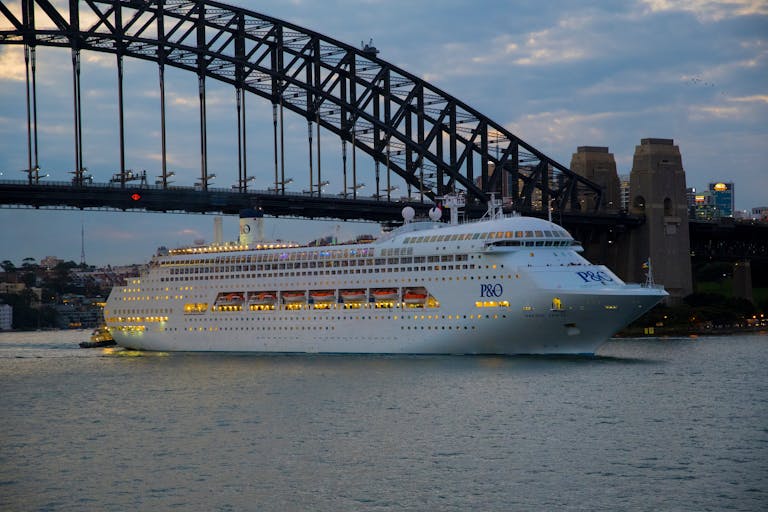
Do you still want to travel together despite some misalignment? Continue discussing these points or perhaps picking a different location or future date would work out better. Another option would be joining a guided tour or signing up for a self-guided tour where the itinerary is mostly decided for you. Either option can take pressure off of both of you. See our post on Mobility Considerations for Different Types of Travel. You could also consider a cruise, allowing you to spend some days doing different excursions and then meeting up again on the ship by dinnertime. See our Cruising with Mobility Considerations post for more on this. This list can be applied to these other types of travel and itineraries.
Get a FREE Trip Planning Checklist PDF based on this Post!
Better yet, I’ve created a free travel planning checklist for you based off of these 13 topics above for you to use when planning your next trip! Enter your first name and email address below and we will send you the free download of the checklist! You will also be signed up for our monthly newsletter. We do not spam you and you can unsubscribe at any time!