The Benefits of Traveling to Less-Touristy Places
The continued rise in tourism has likely changed how you visit places like Europe if you have been traveling for multiple decades. Must-see sites require advanced tickets weeks if not months ahead of time. Without a pre-booked ticket, you spend precious travel time waiting in long lines. From a mobility stand point, moving through crowds can be challenging and fatiguing. If you are interested in traveling to visit another culture but do not have “must-see” lists that everyone else has, or have seen most of the “must-sees”, traveling to less-touristy places can have huge benefits.
Many travel experts and bloggers provide great options of less-touristy places to go. Terms like “off the beaten path” and “hidden gems”, can mean places worth seeing that the large majority of travelers do not visit. Some places may be villages or small towns. Others may even be relatively large cities. Rick Steve’s calls them “second cities”. Check out this post from Wander your Way about their favorite “underrated” destinations in Europe. This Have Age Will Travel post is not about telling you where to go, rather the pros and cons of this type of travel. We cover what to personally consider based on your travel style and how you get around.

Fewer Hassles Getting To and From
If you are traveling to less popular locations, you may be flying into a smaller airport. This means fewer people, fewer gates and less distance to get out of the airport. It can also mean an easier arrival to ground transportation, whether it be public transportation, waiting on a cab or getting to a rental car facility. The airport or train station may also be closer to town or where you are staying compared to larger cities.
If we are talking about second cities, like Paris and Lyon, Lyon is still a major city. It will have all perks of a major destination but with fewer visitors. See my post about visiting Lyon here.
From my European travels the last three years in Austria, England, France, Germany, Greece, and Italy, I continue to notice the following: More time required to reach a destination means fewer tourists.
Budget-Friendly Accommodations
If you are on a budget or want to stretch out your travels, less “in demand” locations will have better deals on accommodations. Using the Paris and Lyon example again, Lyon offers much more affordable lodging in the city center compared to Paris. Based on your budget, it may mean staying in Lyon rather than Paris allows you stay close to the sites you want to see. This will minimize physical requirements and logistics to get where you want to go each day.
Visiting smaller towns and villages can also make it easier getting around by car. If you enjoy renting a car or prefer to due to your mobility, being able to park at your accommodation and near to sites and dinning can save you a lot of energy. However, some smaller towns and villages have significant restrictions on where cars can go so do your research first!

Space and Time to Explore
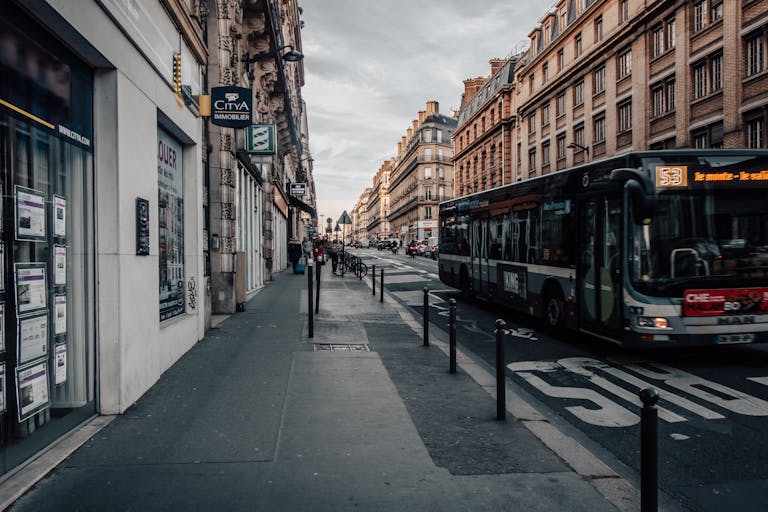
I traveled to Paris with my mother in the Fall of 2021. There were still very small numbers of international tourists visiting. She had been to Paris before but kept saying how much more of Paris she could see with fewer people. She didn’t mean how much ground she covered but actually seeing the city. It is easier to window shop, see ornate details on bridges, see a large crack in the sidewalk coming up, etc. It does make you realize how much we lose seeing when we are avoiding bumping into other people or are trying to keep up with the flow of pedestrian traffic. If you can walk a block without having to maneuver around others, you will have the opportunity to actually look around, discover more, and be more immersed in where you are. You will have a much better opportunity for this experience in less-touristy places than Paris in 2026.
Ability to Be Flexible
Fewer fellow tourists means your trip schedule can be less structured. There will be less need to plan each day ahead of time. It can afford you flexibility to change plans based on how you are moving, your energy level, and even the weather. You will not need to book tickets ahead of time. It will be likely that most sites let you walk right in. Restaurants may likely not require reservations or you may just need to call the day before.

Experiencing “Real Life”
Traveling to less-touristy places also provides the benefit of connecting with people outside the tourist industry. You will mingle with more people going about their every day lives and fewer fellow tourists. See kids kicking a ball down a small street, watch people hanging their laundry out of their 16th century building, sit next to a table of friends who are meeting for a drink after work, or watch the sheep pass by you on their way to their next grazing spot. One of my favorite things about travel is seeing how people in other countries enjoy life and spend their time.
Cons of Traveling to Less-Touristy Places
While there are many benefits of traveling to less-touristy places, there are also considerations to be aware of. Based on your mobility level and travel style, consider the following:
Fewer Accessible Options
Smaller cities and towns may not have as many accessible options. This is in terms of getting around and at sites you want to see. Improving accessibility to centuries-old structures is expensive and smaller towns or less-visited sites will be lower on the priority list. Especially if you will be getting around via wheelchair, scooter, or walker, researching early about accessibility will pay off for you. If the site you want to visit is only accessible via stairs and you require an elevator, know about it ahead of time. Certain smaller towns may not be worth your time based on what you can access.

Note: smaller towns and smaller sites may not have detailed websites. If it is unclear how accessible a site is, send them an email. If it is unclear how to get in touch with them, contact the town’s tourist information or contact the hotel or accommodation you plan to stay in for contact information.
Less Frequent Transportation
While we spoke about the benefits of transportation in smaller areas, traveling to less-touristy places often involve increased time to get there. This may mean an additional flight from a major European airpot, a train, a bus, or renting a car. Public transportation may be less frequent, limiting your options for getting around or taking day trips. Factor this in to how well you get around and how long you prefer to travel each day.
Fewer English Speakers
As less-touristy places get fewer foreign visitors, there will likely be less English spoken. This may be a pro or a con for you. Do consider if you are in need of the pharmacy, if you are ill, or have a medical concern, getting your needs met may be a little more challenging due to a language barrier.
Luckily, translation apps are improving all the time. It is much easier now to show someone what you need through a translation app and they will be able to help you. Apps like Google Translate offer translation through typing, translating text in a photo, or with audio. Several of my patients also write out a card or have a note on their phone with their important health information, allergies, medications, etc in the language of the country they are going to. That way, if an issue does arise, it will give you a better opportunity for you and your needs to be understood. Staying at a hotel or ensuring your rental home’s owner speaks English can also help for such circumstances.

Final Thoughts on Benefits of Traveling to Less-Touristy Places
Overall, traveling to less-touristy places can have more benefits than drawbacks. The most important factors to consider are how well you get around and the pace in which you like to travel. Taking a little longer to get to a location can offer you more flexibility with how you spend your time. It can also provide greater opportunities to experience every day life in the places you have chosen to see.
Pin Benefits of Traveling to Less-Touristy Places on Pinterest to Save or Share!