Visiting Madrid: A Mobility Overview
Madrid has been the capital of Spain since 1561, declared by King Phillip II. With evidence of Madrid dating back to the 9th century and the monarchy moving there in the 16th century, there are many layers to this city. Madrid hosts the largest royal palace within a European city, one of the biggest art museums in the world, a sprawling city park, major food culture, and extensive public transportation. There is something for everyone in Madrid. Check out this overview to learn about visiting Madrid based on your mobility level.

If you are new to our Location Guides, read this introductory post first. As always, here are my promises to you about Have Age Will Travel’s Location Guides:

The three other Madrid posts dive into more specifics about the terrain of Madrid, mobility requirements for the most visited sites, your options for getting around Madrid. The goal is to give you the information so that you can decide if Madrid is a place for you to visit!
Terrain
Madrid is situated on a plateau. It is one of the highest altitude European capitals, sitting at over 2000ft. This means it can get rather cold in the winter and you will likely see snow on the nearby Sierra de Guadarrama mountain tops several months out of the year from viewpoints such as the palace.
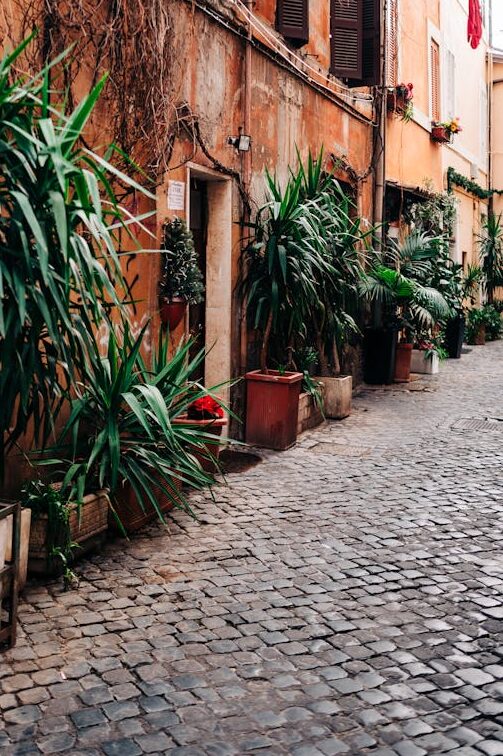
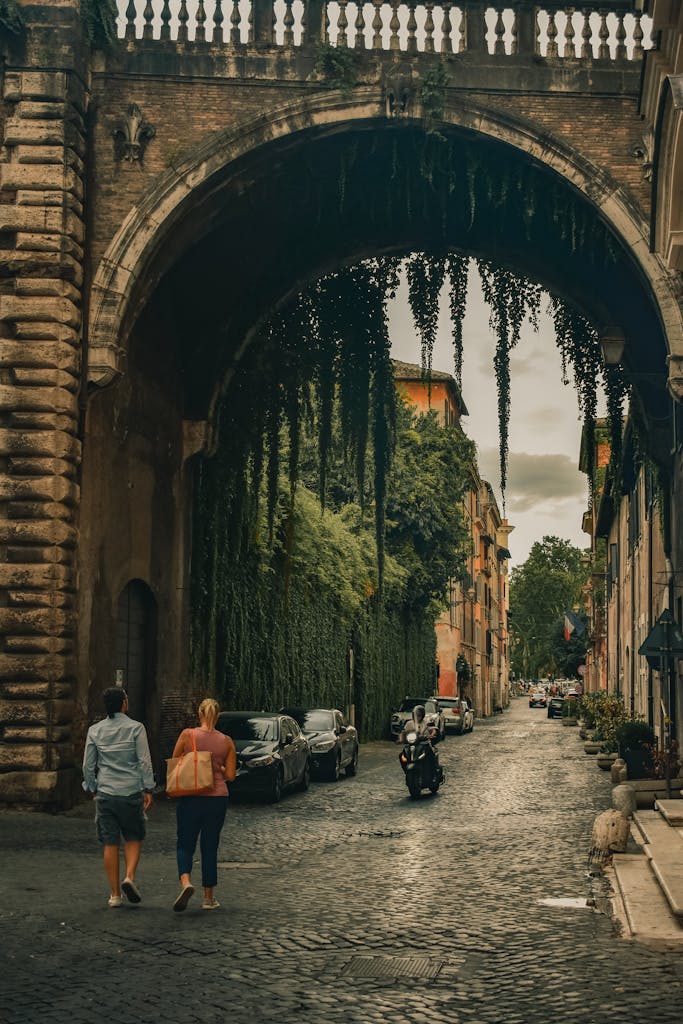
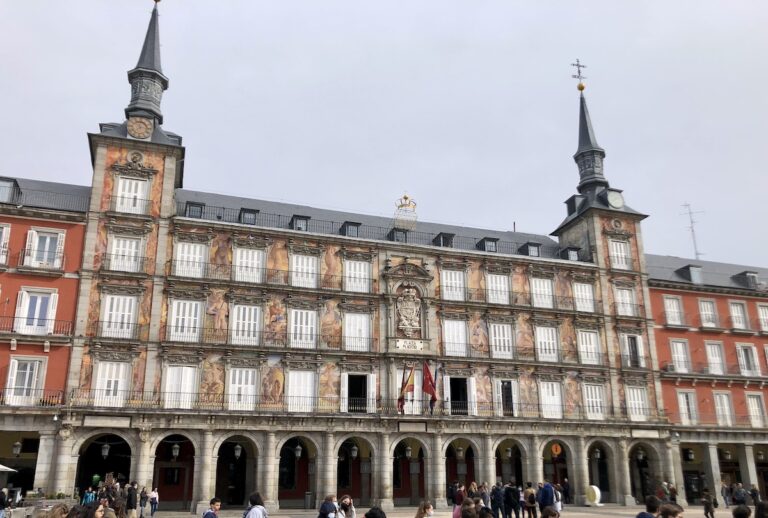
Madrid is mostly flat. Most walkways are large pavers or smooth concrete. Many of the plazas are covered in cobblestones. Most of the plazas offer cafes and restaurants, providing you a place to rest your feet, refuel and people watch. Madrid also has several parks and gardens if you are seeking a nature break in the middle of this major city.
Read more about the Terrain of Rome in the dedicated post. Madrid: Terrain and your Mobility
Mobility Requirements for Top 3 Sites
Three of the most visited sites in Madrid include the Prado Museum, the Royal Palace, and Retiro Park. For more detail, visit the Mobility Requirements to Visit Madrid’s Top 3 Sites post.
The Prado

The Prado began as a place to store the royal art collection. Today it displays about 1300 pieces of art with a focus on Spanish Art from the 12th to 20th centuries. Since 2021, The Prado is included in the Paseo del Prado as an UNESCO World Heritage site. It is an accessible site with a dedicated step-free entry for those who need it.
The Royal Palace
El Palacio Real de Madrid is the largest royal palace in Western Europe. It includes a cathedral and over 3,400 rooms. Most rooms are step-free. Advanced ticket reservations are highly encouraged.
El Retiro Park

I usually include parks only in the Terrain posts but this park is so great that it is one of the most visited sites of Madrid! It is over 350 acres and is also on the UNESCO list. It boasts many small gravel pathways for walking or cycling, a large pond with rowboat rentals, a greenhouse, cafes, playgrounds and more. I visited the park multiple times on my one-week trip, usually either for exercise or a café con leche!
Transportation
To/From the Airport
The Adolfo Suárez Madrid-Barajas Airport (MAD) is just to the east of the center of Madrid. If taking the metro, you will also likely need to link to another metro line, bus or commuter train to get to your lodging. There is also an express bus from the center of Madrid to the airport.
To/From the Train Station
Madrid’s main train station is Atocha, located in the southern part of the city. Multiple buses and metro lines connect here to get you to other points of the city. Atocha is where trains arrive and depart to Southern Spain and Barcelona. Charmatin train station is the city’s secondary station and offers metro and bus connections and trains to Northern Spain. Both train stations are accessible, offering step-free entry, elevators and accessible bathrooms.

Getting Around Madrid
Madrid has a vast network of metro, commuter trains and buses. Taxis are plentiful and you can hail a taxi anywhere but there are also some taxi stands around town. The city’s public bus system is fully accessible while about 70% of the metro stations are. Learn more in our post: Madrid: Transportation Options Based on your Mobility.
Madrid’s Tourism Resources
Madrid’s Official Tourism Office
Accessibility Portion of Madrid’s Official Tourism Office
Visit Madrid – Madrid’s Regional Tourism Website
Accessible Madrid – Provides accessibility information, equipment rentals, transportation, tours, etc.
*Additional resources are included in the detailed posts mentioned above!
Pin this Madrid and Mobility Overview post to save for later or to share!

Check out our other Location Guides
Mobility Requirements for Visiting London: An Overview